
The NeuroVision platform
Listed in the Russian Software Registry
№19972
Core
Artificial intelligence that unifies all modules and enables seamless interaction
Artificial intelligence in healthcare
An intelligent healthcare platform that improves the efficiency of clinical diagnostics and administration
Powered by technology

Human error and limited time per patient can lead to diagnostic mistakes.
Growing data volumes require effective processing and analytics tools.
Specialist shortages delay access to essential care
Listed in the Russian Software Registry
№19972
Core
Artificial intelligence that unifies all modules and enables seamless interaction
Contactless photoplethysmography measures:
Ready to detect 200 conditions
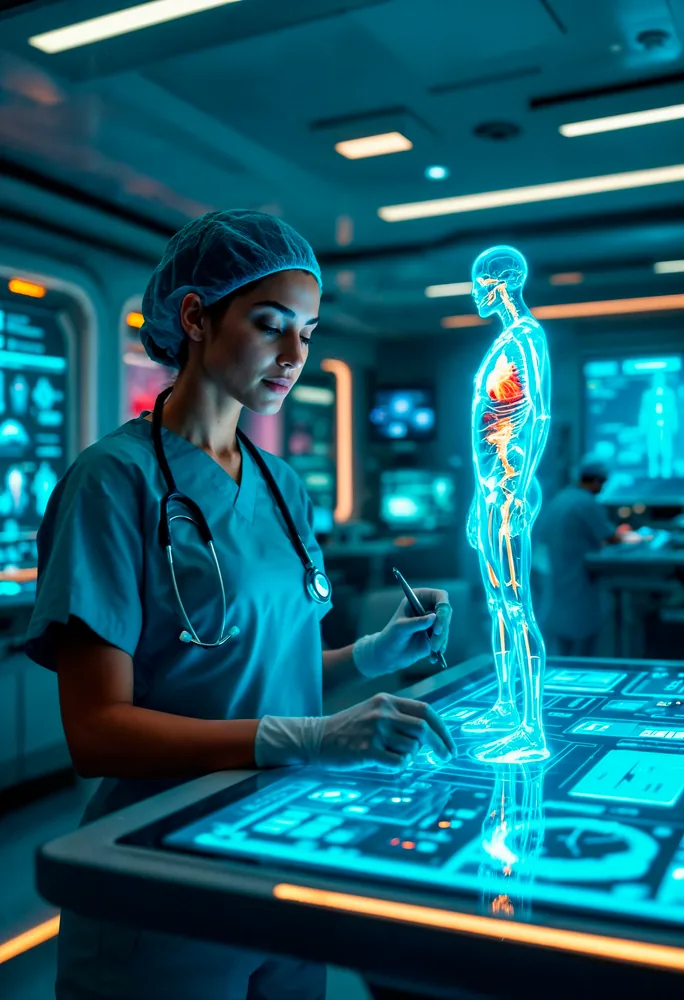
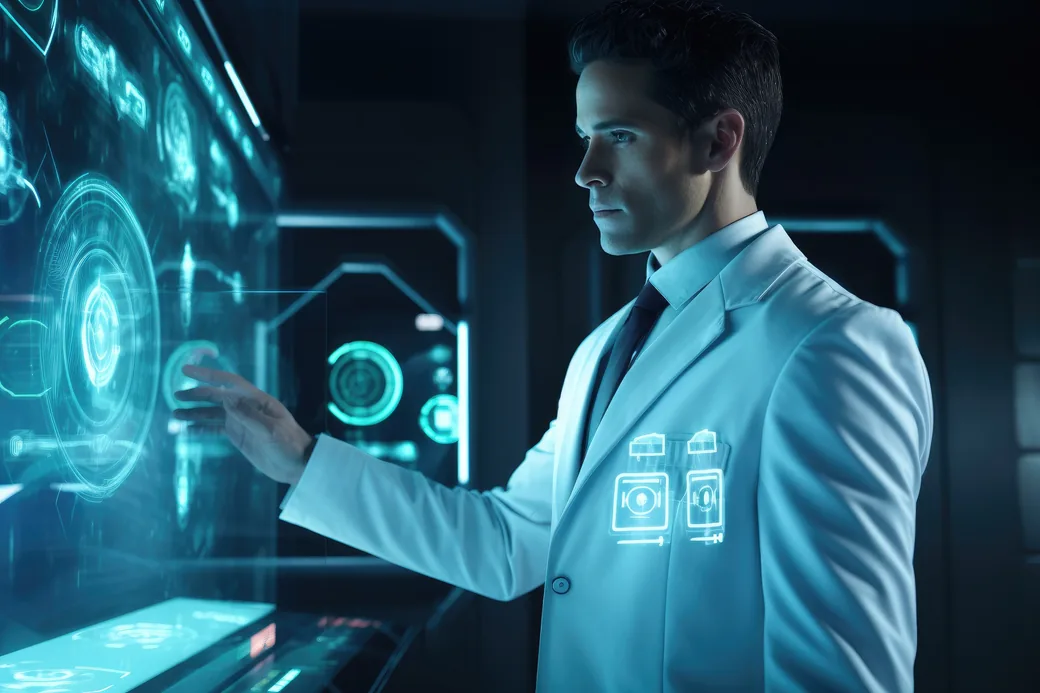

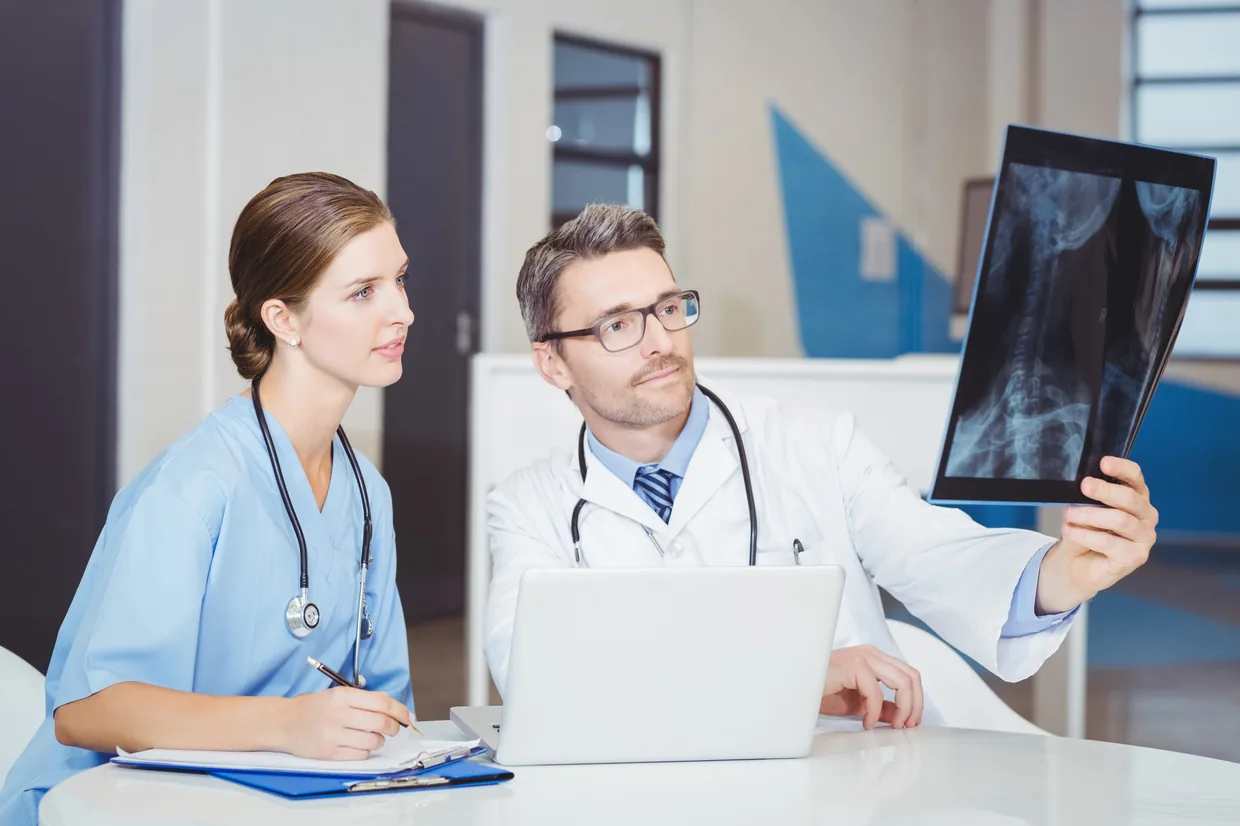
NeuroMed combines AI and computer vision to improve diagnostic accuracy
NeuroMed analyzes CT and MRI data for more accurate diagnosis
The system automates pre-shift and periodic medical examinations, improving efficiency
AI significantly improves the accuracy of medical reports
Process automation helps reduce the workload of medical staff
Collaboration with a major Russian clinic supports the platform’s ongoing development.

Versatile use cases and a wide range of benefits
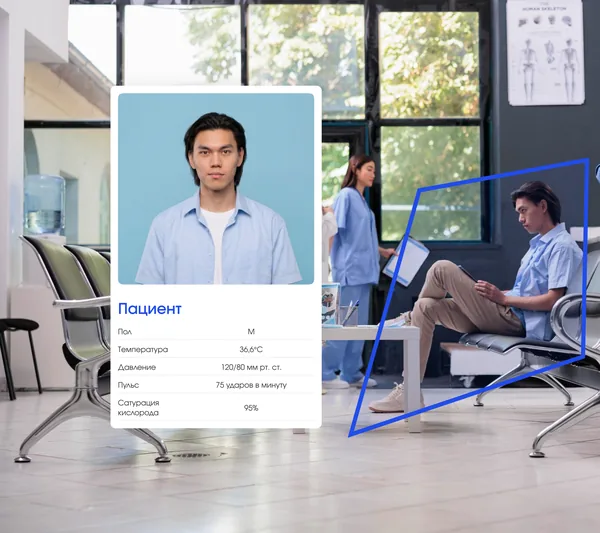
Measurement of heart rate, blood pressure, temperature, and oxygen saturation without physical contact
Faster routine diagnostic procedures and more time for patient interaction

From modernizing medical examinations to optimizing patient pathways

Using a single chest CT scan, the NeuroMed model estimates the probability of lung cancer — without additional clinical data or manual annotation by a physician. It analyzes the entire scan volume and provides a calibrated 1–6-year probability together with a risk category. Results are generated in seconds and can be processed in the background on a workstation.
Measurement of heart rate, blood pressure, temperature, and oxygen saturation without physical contact
Provides a calibrated probability of lung cancer over a 1–6-year horizon.
Classifies the patient as low, medium, or high risk to support follow-up planning.
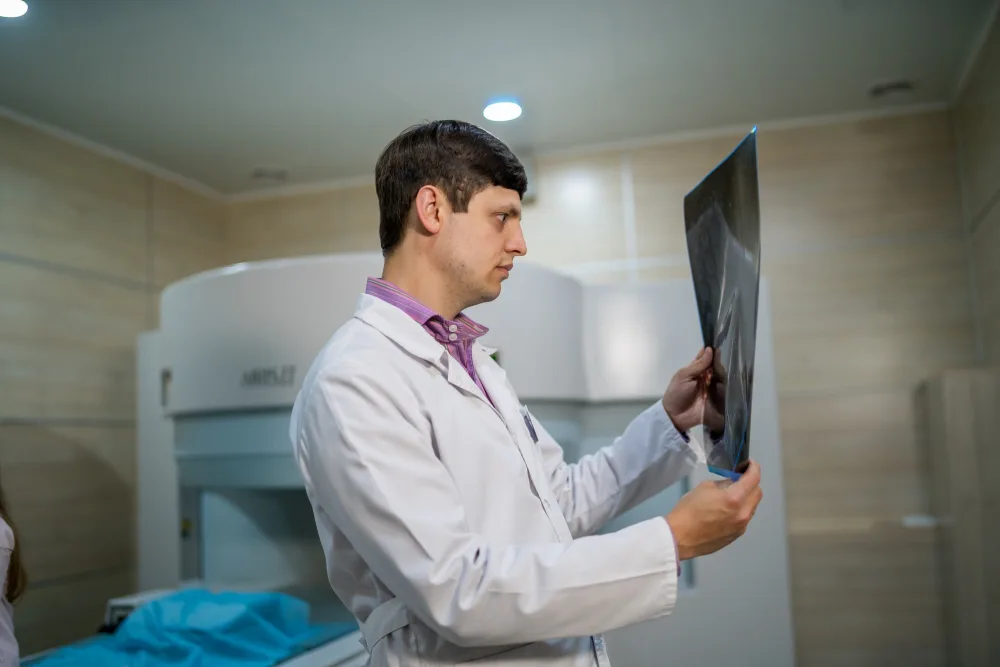
The model distinguishes malignant lesions from normal and benign findings and identifies high-risk patients on earlier CT scans. It supports case triage and follow-up prioritization — assisting clinicians rather than replacing them.
Prioritize scans that require a
radiologist’s attention.
Determine repeat CT frequency: less often
for low-risk patients and more often for high-risk patients.
A quantitative risk assessment to complement
the physician’s report.
Risk categories define follow-up protocols, while thresholds can be tailored to the clinic’s workload:
Validation used real-world chest CT scans collected from 2021 to 2024. Patients who underwent multiple CT scans over time were selected separately for prognostic evaluation. Physicians manually annotated all lesions into three categories.
16,111 annotated lesions
Validation was performed on real-world but retrospective data. Cancer patients undergo repeat CT scans more frequently, so some “future diagnoses” represent recurrence rather than newly detected cancer. The results should therefore be interpreted as identifying patients with a future diagnosis and supporting follow-up. Independent prediction of cancer in initially healthy lungs still requires confirmation.
Traditional registration takes
up to 10 minutes per patient
6× faster patient registration
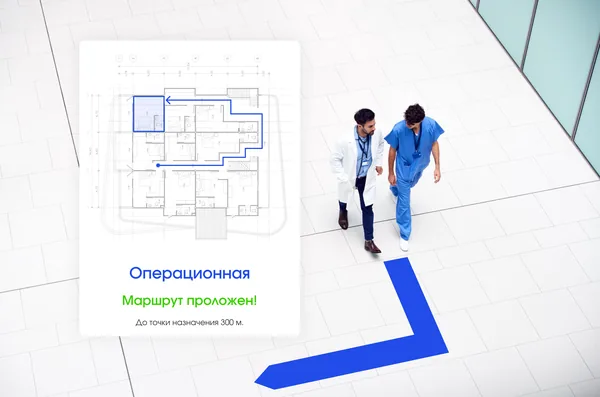
The system helps patients navigate the clinic with ease
Early detection of lung cancer on CT and breast cancer on mammograms
Greater staff efficiency through the automation of routine tasks
Integration of all clinical diagnostic and administrative processes into a single system
Improved quality of patient care and diagnostics
More accurate diagnostics and predictive AI to help prevent disease
Optimized clinical workflows, allowing physicians to focus on patients’ needs and treatment
Adoption of medical AI innovations for patient consultations, clinical decision support, and clinic management
Contact us directly or submit an enquiry — we’ll respond within one business day
Not sure how to phrase your enquiry? Schedule a call, and our team will contact you at a convenient time
Schedule a callThe company is listed in the Russian Ministry of Digital Development’s registers of accredited IT companies and personal data operators.
Address: 12 Presnenskaya Embankment, Federation Tower, Moscow City Business Center, Moscow. The nearest metro stations are Delovoy Tsentr and Mezhdunarodnaya.